Part 01 — Understand your space

Why some rooms feel right (and others don't).

Before choosing furniture or picking a color palette, explore how layout, light, sound, and personal preferences affect your experience of a room. These seven ideas come from environmental psychology and behavioral research.

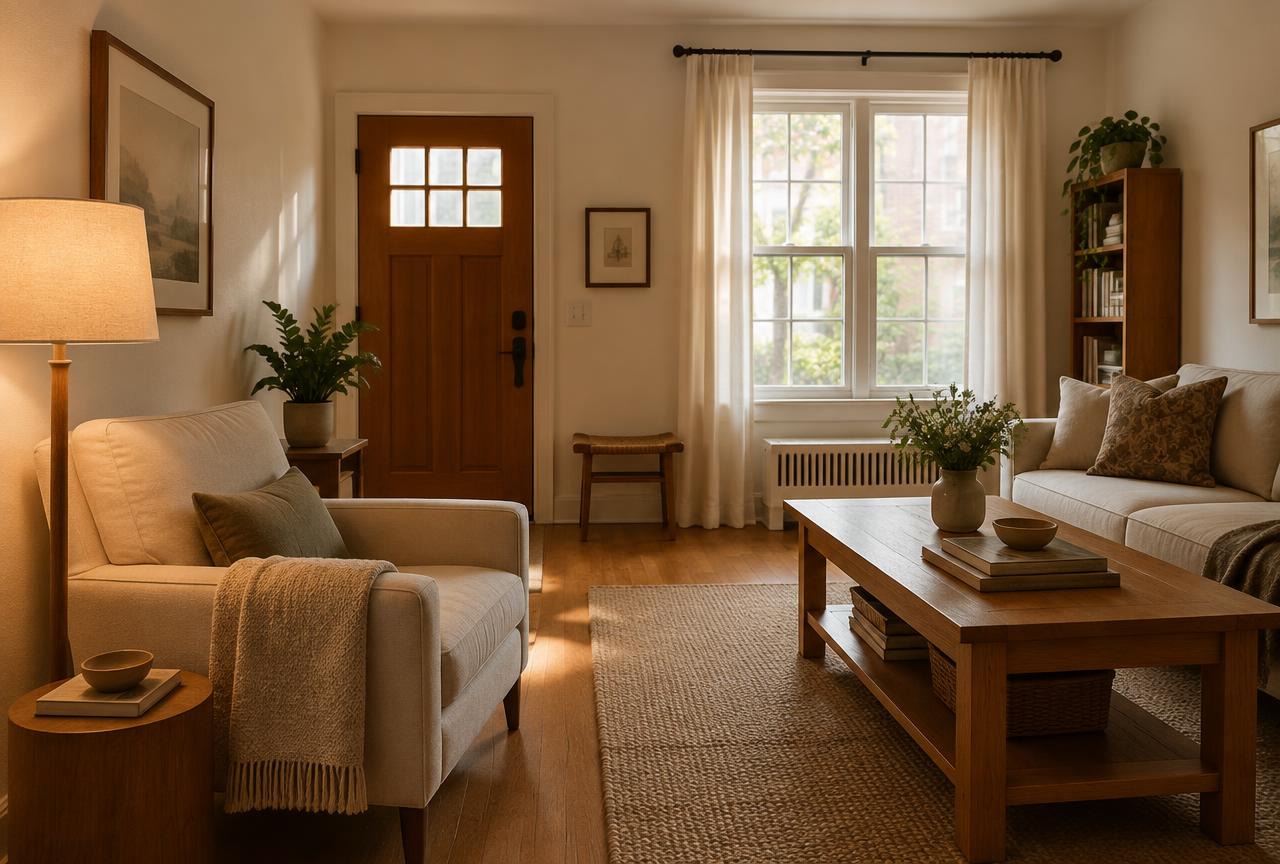
Upholstered armchair placed against a wall with a clear view of the front door and window
01 / 07 · Prospect and refuge

The comfort of feeling protected

Many people relax more easily when they have a sheltered back and a clear view of the room and its entrance. Researchers describe this as a preference for "prospect" (seeing out) and "refuge" (feeling protected). It is a tendency, not a rule, and comfort varies from person to person.

In a room

A sofa floating with its back to the door can feel slightly unsettled, while the same sofa against a wall—or backed by a console—with a view to the door often feels calmer.

Try this

Sit in each seat for a few minutes. If you keep glancing over your shoulder, turn the chair toward the door or give it a backstop: a wall, shelf, or tall plant.
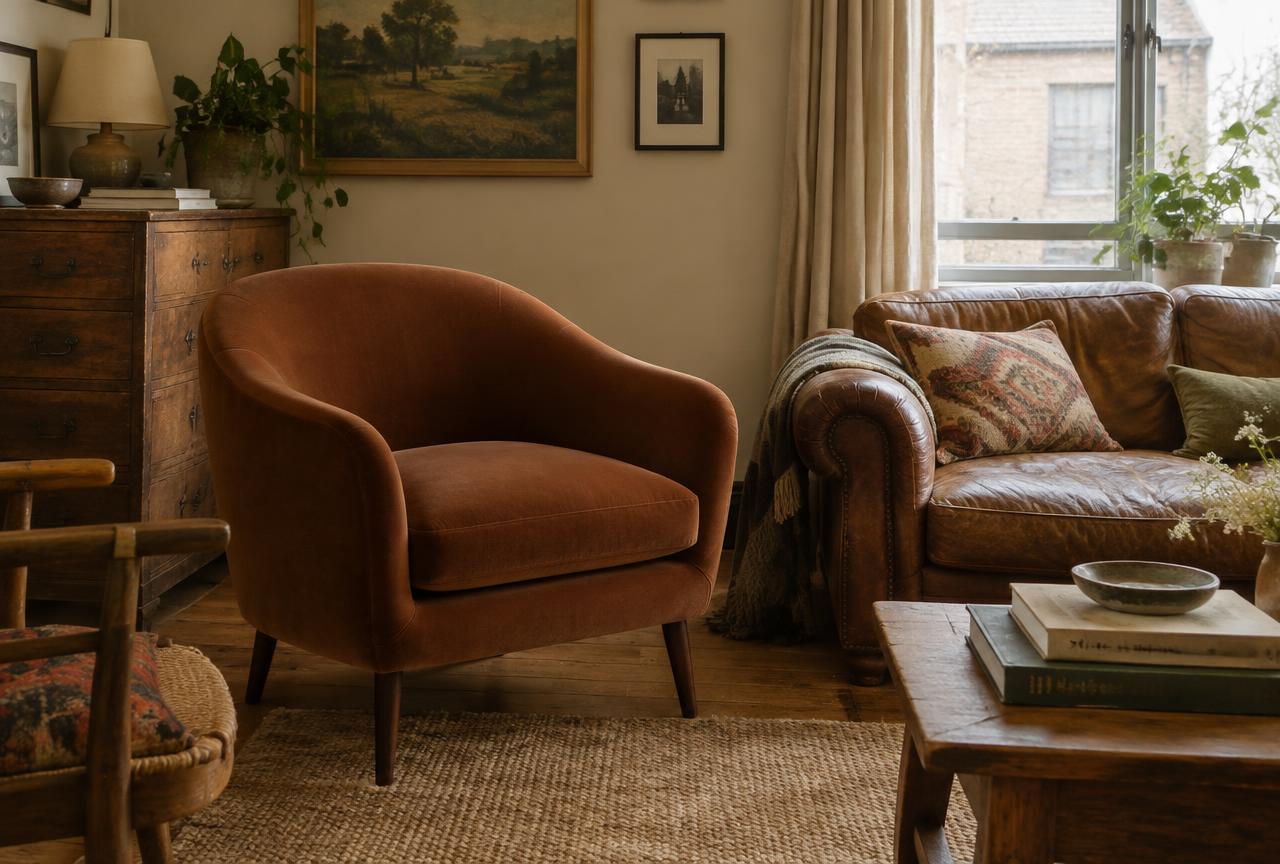
New rust velvet armchair surrounded by older leather sofa, wooden chest, and vintage chair
02 / 07 · The Diderot effect

One new piece shouldn’t mean a new everything

A single upgrade can make everything around it look worn, prompting a chain of purchases. The idea is named after the philosopher Denis Diderot, who wrote about a new robe that made the rest of his study feel shabby.

In a room

A new velvet armchair arrives, and suddenly the rug, lamp, and coffee table feel wrong—even though they were fine last week.

Try this

Wait two weeks before buying anything to "match" a new piece. Bridge the gap with what you have: move a throw, a cushion, or a plant to connect old and new.

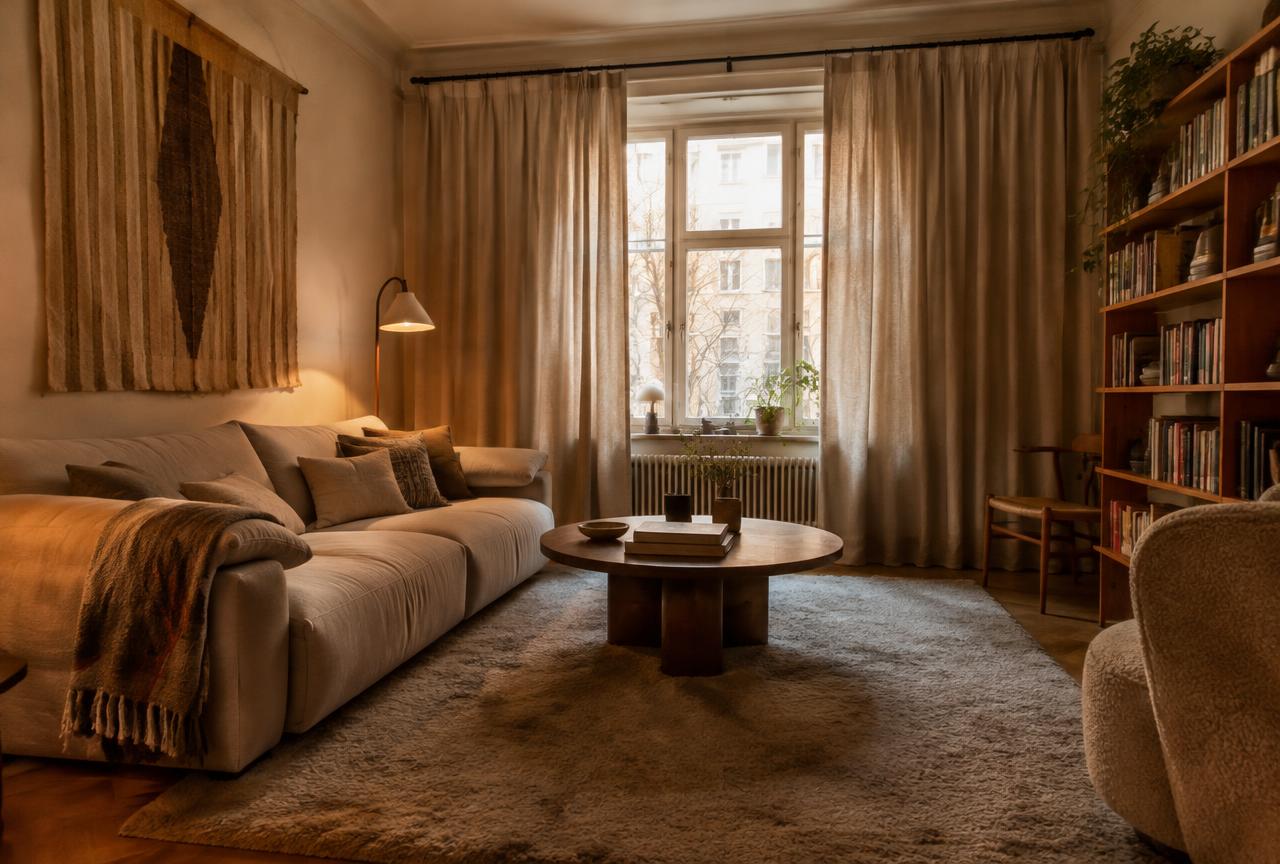
Living room with a deep wool rug, heavy linen curtains, upholstered sofa, wall hanging, and bookshelves
03 / 07 · Sound and sensory comfort

Soften the echo

Hard floors, bare walls, and empty corners reflect sound, so voices and footsteps linger. Echo is easy to overlook in photos but affects how restful a room feels day to day.

In a room

A sparsely furnished living room with wood floors can sound hollow on a call; adding a rug and curtains often makes it noticeably quieter.

Try this

Clap once in the room and listen. Add soft, absorbent layers—a thick rug with a pad, lined curtains, upholstered seating, full bookshelves, or a textile on the wall.

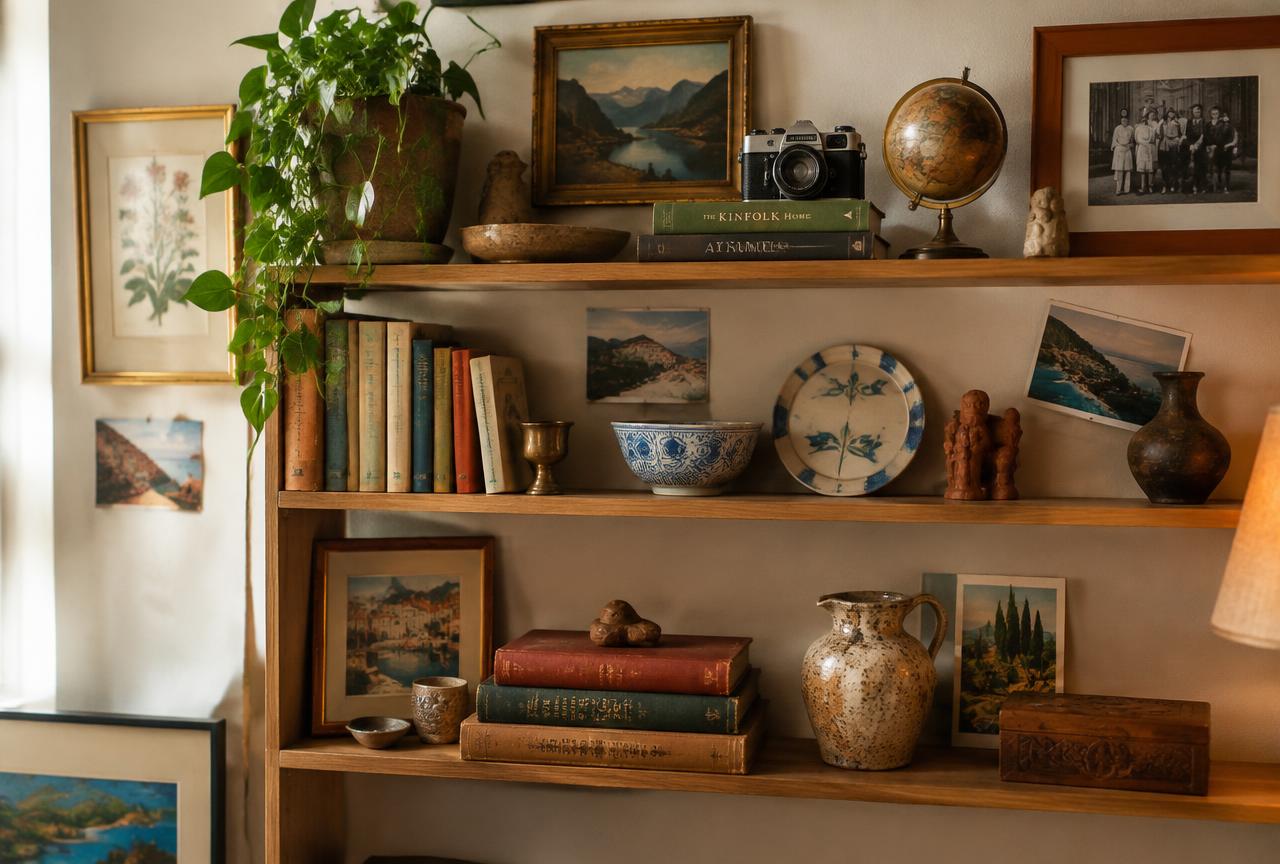
Shelves styled with personal souvenirs, handmade ceramics, vintage books, and framed pictures
04 / 07 · The mere-exposure effect

Is it your taste, or just familiar?

People tend to like things more the more often they see them. Scrolling the same trends can make a look feel "right" simply because it is everywhere.

In a room

After weeks of the same feed, an all-beige room or a particular arched mirror can feel essential—until you notice you don’t actually enjoy living with it.

Try this

Save twenty rooms you love, then look for patterns that are yours: colors, materials, eras, moods. Include places you have loved in real life, not just online.

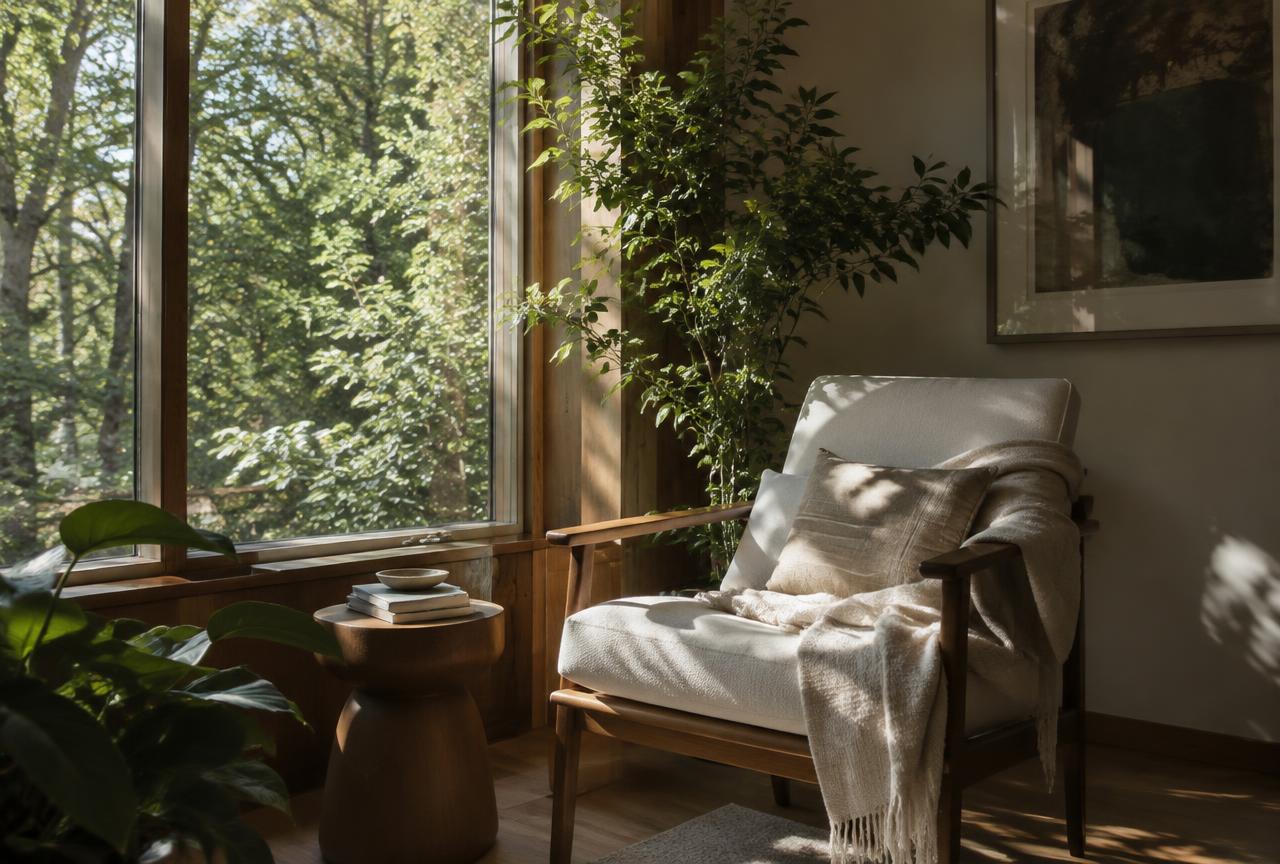
Reading chair by a large window overlooking trees, with plants and dappled sunlight
05 / 07 · Attention restoration

Let your eyes rest

Attention restoration theory suggests that gently engaging surroundings—greenery, views, natural patterns—may help people recover from mental fatigue. The evidence is promising but mixed; think of it as a helpful nudge, not a cure.

In a room

A chair near a window with a view of trees, a few plants, and wood grain can feel like a natural pause in the day.

Try this

Create one restorative spot: a seat facing a window or plant, natural textures within reach, and no screens in direct view.

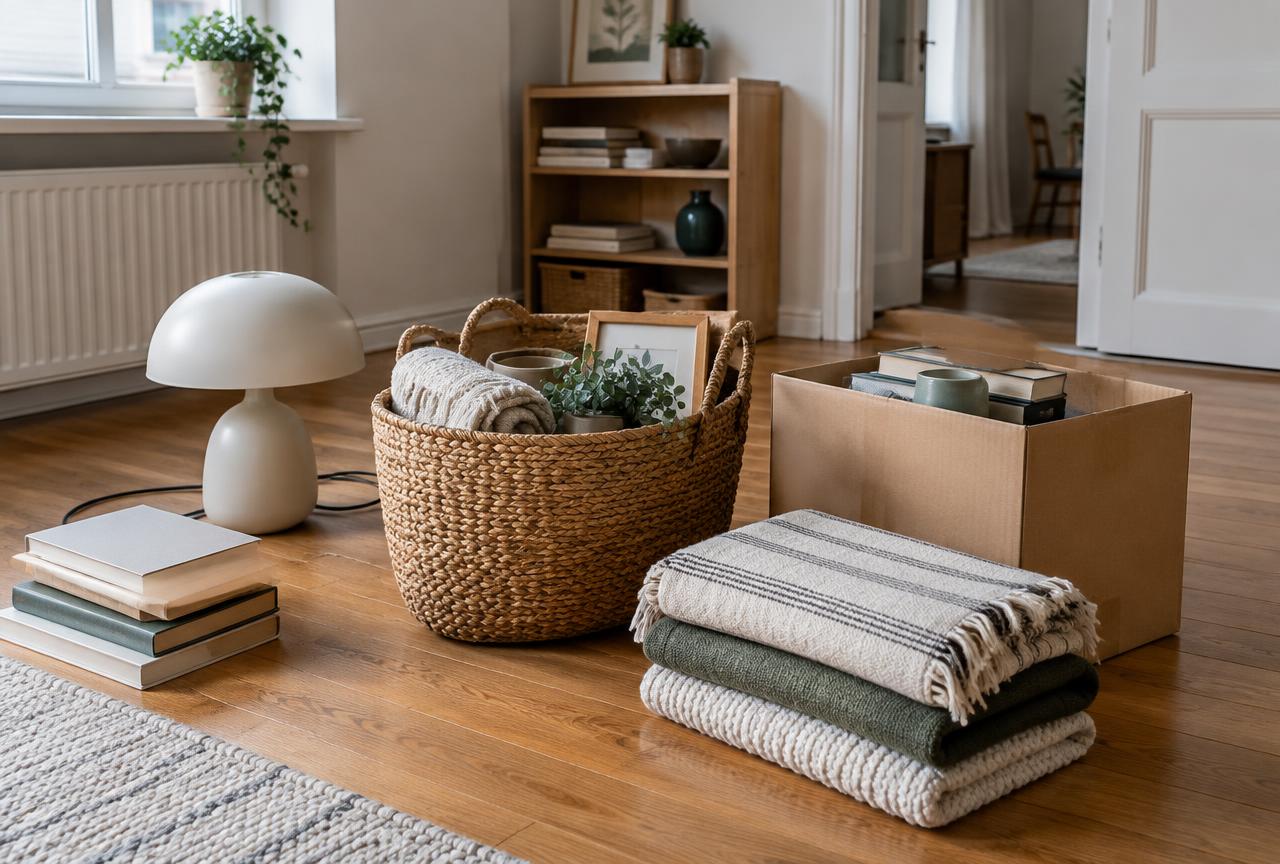
Folded throws, a woven basket, and a box of objects sorted on a wooden floor
06 / 07 · Endowment effect and sunk cost

Deciding what to keep

We often value things more simply because we own them (the endowment effect), and we hold on to items because of what we paid (sunk cost). Both can keep unloved pieces in the way.

In a room

An uncomfortable expensive chair stays in the corner for years because getting rid of it feels like admitting a mistake.

Try this

Ask: “Would I buy this today, for this home?” Sort into keep, rehome, and maybe. Store the maybes out of sight for a month before deciding.

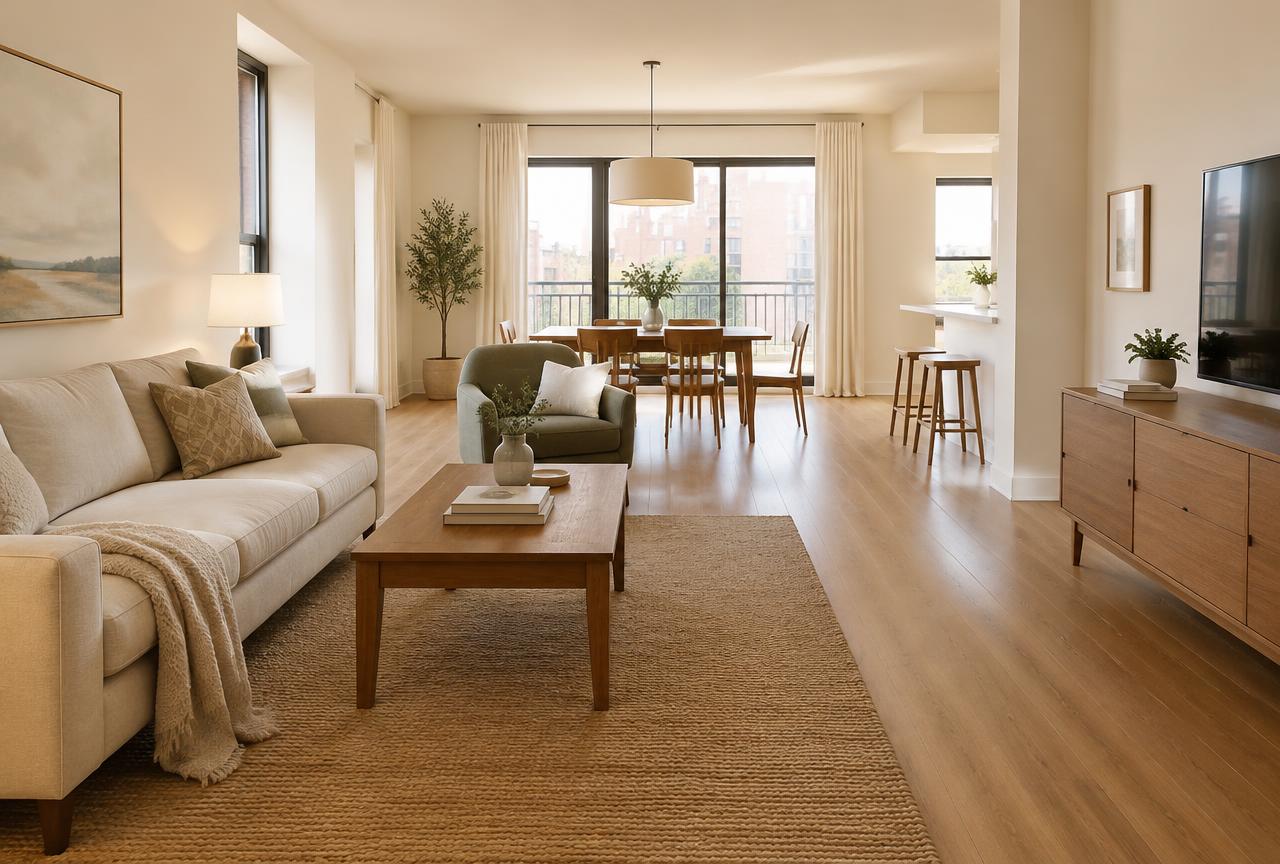
Open living and dining area with a clear walkway between sofa, coffee table, and dining table
07 / 07 · Spatial openness

Give the room room to breathe

How open a room feels depends on more than square footage. Clear walking paths, visible floor, and furniture sized to the space help a room feel easier to move through and use.

In a room

Pulling the sofa a little off the wall, choosing a slimmer coffee table, and clearing the route from the door to the window can make a small room feel calmer.

Try this

Walk the main routes through the room. Aim for clear paths roughly 30–36 inches (75–90 cm) wide where you can, and remove or downsize anything you regularly squeeze past.

Next step

Ready to bring your vision to life?

Turn inspiration into a plan. Use the design checklist to organize your space, prioritize what matters, and make thoughtful decisions before you buy.

Plan your design